In no particular order, these are the things that are important to our garden and how it grows.
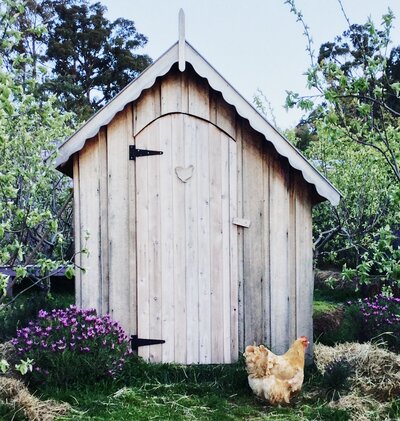
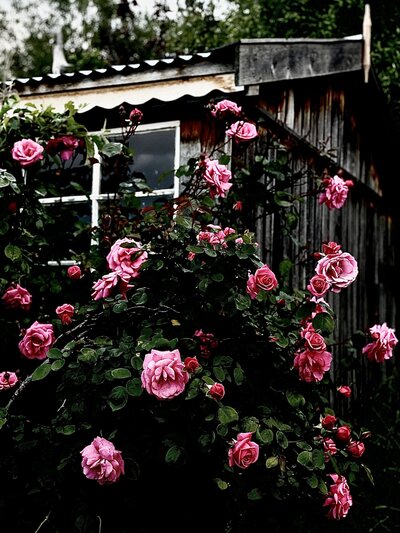
Organic. Pollinator friendly. Mulching with hay once a year, buying from a local farmer. Mulching the vegetable garden and Hot House with sugar cane mulch - a bi-product of the sugar industry. Food Hedges. Favouring heirloom seeds and heritage fruit tree varieties. Rare breed poultry head of pest control. Honeybee the orphaned duck free ranging in the Kitchen Garden. Sharing the garden with Tasmania's beautiful birdlife and wild marsupials. Jude gardening with physical limits. Michael taking on so many of the gardening duties since Jude's accident. Successional planting. Deliberately staggering fruit tree harvests. Deliberately staggering the fruit and ornamental trees blossoming for the pollinators and bees to have blossom throughout the year. The duck baths shifted regularly and emptied at least once a day. The dirty duck bath water fertilising the garden. Nesting boxes. Small garden ponds. Areas of the garden where our dogs aren't permitted so as to let the marsupials create habitat and live peacefully. Bird baths in each part of the garden, up high and down low. Berry patches. Sweet Peas. Native hedges. Owl habitat. We have never expected the wildlife (who have lived for generations on or around our property) to shift out because we have shifted in. Our goal has always been to provide a safe haven for Tasmanian marsupials and birdlife. Tasmanian marsupials that live here permanently or regularly visit or have been spotted passing through: Beetongs; Brown Bandicoots; Potoroos; Pademelons; an Echidna; a Tasmanian Devil; Endangered Eastern Barred Bandicoots; Eastern Quolls; Brushtail and Ringtail Possums; Long-Tailed Mice (endemic to Tasmania); Antechinuses. If the weeds get too big and flower, we leave the flowers for the bees and chop the weed down to the ground before the flower sets seed. Valuing reclaimed building materials and using them where possible. Sustainably sourced Tasmanian Oak and Cypress Pine used instead of treated pine. Fencing, Hot House, Garden Library, Garden Structures, Raised Beds, Decking, Gates and Hen Houses all built by Michael, designed by Michael, Jude and our daughter. Garden intuitively designed by Jude. Self seeding plants are welcome. Composting. Growing food for our poultry. Growing food for our ourselves. Flowers. Always lots of flowers.
~ The garden at Fairy wren cottage ~
Heirloom Seeds. Heritage Fruit Trees. Rare Breed Animals.
There is something so magical about growing an heirloom seed variety. Someone held the same variety of seeds in their hands all those years ago. Heirloom seeds resting in the palm of my hand, maybe my ancestors grew this same variety. Do you ever think about that? Maybe your ancestors grew and harvested the same heirloom varieties that you now grow. Held it in their hands the way you do. If it was sweet peas, did they marvel at them and tenderly inhale that heady fragrance. Just like food does, gardening has such a beautiful way of linking the past to the present.
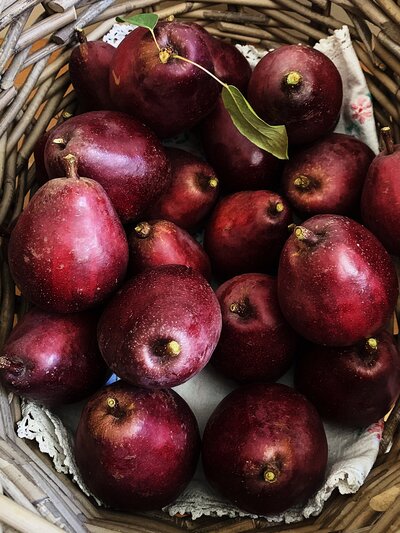
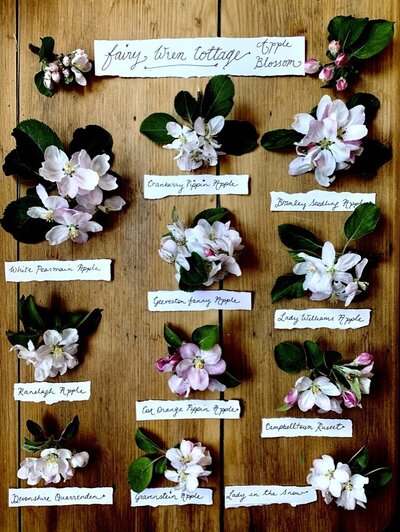
The same as with heritage fruit tree varieties. I loved pouring over fruit tree catalogues and selecting fruit tree varieties that have some family connection or meaning to us. Gravenstein apple trees planted because my mother had fond memories of eating them as a child. Planting a Williams apple tree for my grandmother's maiden name. A Deveonshire Quarrenden apple tree planted for ancestors coming from that area. Irish Peach Apple, an early variety planted for my Paternal line. Campbell Russett, a late variety planted for my Maternal line. Our "Irish" Food Hedge combined ancestry and botany with home schooling studies -planted with species indicative of a hedgerow in Ireland. Yellow Drop Plum and Greengage Plum trees planted because an elderly neighbour spoke so fondly of these old varieties. Geeveston Fanny apple, Huon Crabapple, Wychwood Crabapple and Ranelagh apple tree varieties planted because they are part of Tasmania's history and now part of our family history.
The garden at Fairy wren cottage
Birdsong. The sun on our backs. Harvesting. Stopping to watch the black cockatoos fly over. The conversations while weeding and mulching. Pottering about. Searching for slugs with Honeybee the duck. Silver skies. Blue sky days. Digging potatoes. Watering. Playing in the sprinkler. So many wonderful family memories have been made while cultivating the garden. My love for this parcel of land and the island we live on runs deep, it is two fold.
As Robin Wall Kimmerer writes in Braiding Sweetgrass, Indigenous Wisdom, Scientific Knowledge and the Teachings of Plants.
"Knowing that you love the earth changes you, activates you to defend and protect and celebrate. But when you feel that the earth loves you in return, that feeling transforms the relationship from a one-way street into a sacred bond."